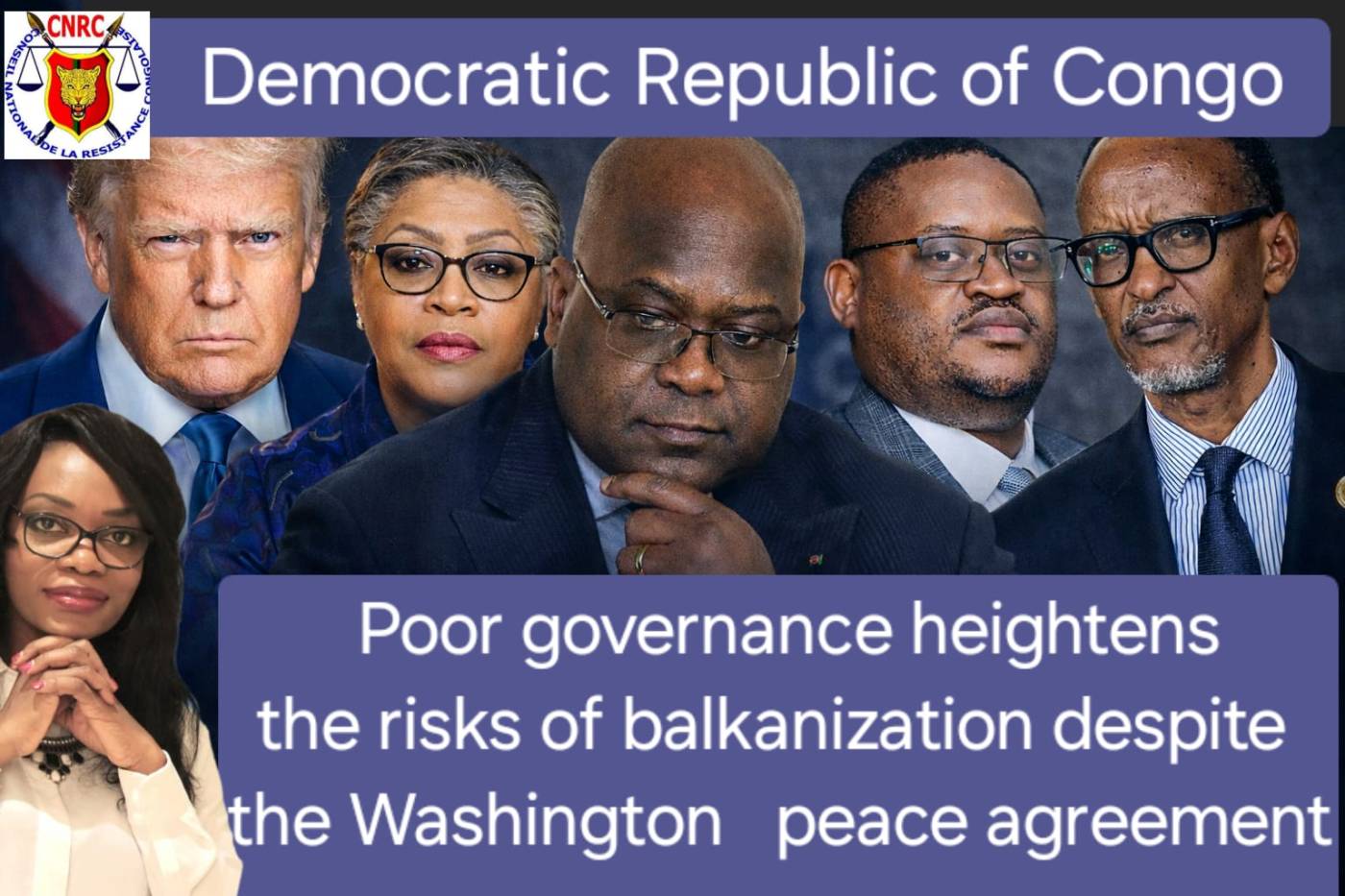
Democratic Republic of Congo
Poor governance heightens the risks of balkanization despite the Washington peace agreement.
Despite the hopes that some attempt at all costs to generate through the “Washington agreement” and the ongoing diplomatic efforts, the Democratic Republic of the Congo remains confronted with an implacable reality: persistent insecurity, financial fragility, structural budgetary tensions, and a crisis of governance.
The recent issuance of 70 million dollars in Treasury bills by the Ministry of Finance headed by Doudou Fwamba illustrates this situation.
Behind this ultimately fairly common financial instrument lies a deeper malaise: a model of public management that exposes the country to major economic and political risks, including that of a gradual fragmentation of the territory.
A 16‑billion‑dollar budget, yet a state under pressure
The Congolese national budget stands at around 16 to 17 billion dollars. Relative to an estimated population of more than 100 million inhabitants, this represents roughly 150 dollars per person per year — an extremely low level for a country with immense mineral resources.
Approximate expenditure structure:
(NB/ Source des chiffres : Croisement des données, du FMI , de la Banque mondiale et des rapports onusiens, du budget officiel de la RDC & CNRC)
– 35 to 40% for operations (salaries, institutions, security) → 6 to 7 billion dollars
– 20 to 25% for social sectors → 3 to 4 billion dollars
– 20 to 25% for investments (infrastructure) → 3 to 4 billion dollars
– 10 to 15% for debt servicing → 1.5 to 2 billion dollars
The public wage bill alone absorbs more than 5 billion dollars per year in a system plagued by nepotism and tribalism.
In a context of low tax pressure and insecurity, this budgetary rigidity significantly reduces room for maneuver.
Budgetary irresponsibility: privileged elites, impoverished population
While the average annual income of a Congolese citizen remains below 600 dollars, the remuneration of senior political leaders is disproportionately high.
A Congolese minister receives, according to various public estimates and our own investigations, hundreds of thousands of dollars per month.
Sources within the Prime Minister’s own ministry have confirmed to us that the Prime Minister, Mrs. Judith Suminwa, indeed receives at least 500,000 dollars per month. Like their master in Kigali, the DRC has become a specialist in manipulating figures.
In addition come official vehicles, fuel, security, housing, and benefits in kind. The total cost of a ministerial cabinet easily exceeds 1 to 3 million dollars per year.
By comparison, a primary school teacher earns on average 150 to 250 dollars per month, or less than 3,000 dollars per year. This contrast once again illustrates social injustice and further weakens the legitimacy of the state.
Infrastructure: 3 to 4 billion budgeted, little visibility
Approximately 3 to 4 billion dollars are theoretically allocated each year to investments and infrastructure. Yet:
– The paved road network remains below 3,000 kilometers of usable roads for a country as large as Western Europe.
– Less than 20% of the population has access to electricity.
– Many announced infrastructure projects are neither completed nor publicly audited.
The problem is not only the budget volume but the quality of spending: delays, overbilling, lack of transparency, and weak parliamentary oversight. Where is the money going?
Congolese citizens should be concerned. Although we are at war with Rwanda, Félix Tshisekedi has continued to appoint Kagame’s agents to strategic positions.
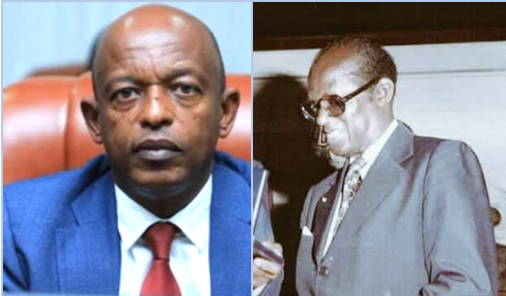
In the present case, he entrusted one of the largest budgetary spending departments of the Congolese state to an agent of Kigali, Alexis Gisaro.
Chronic insecurity: an annual cost of 2 to 3 billion dollars
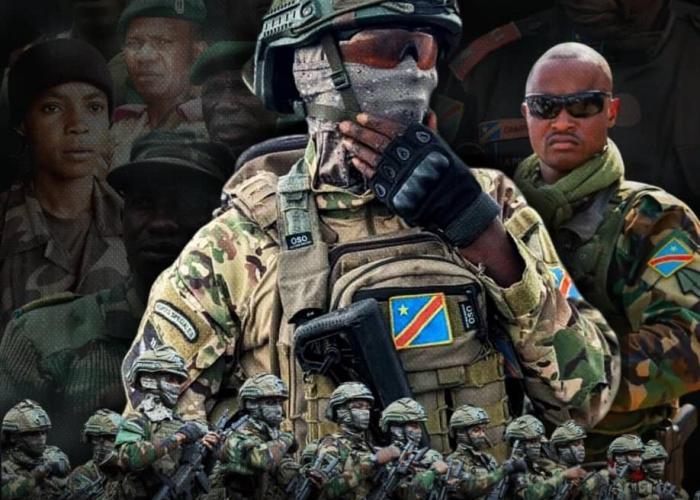
The persistent war in the East (notably in North Kivu and South Kivu) costs:
– 1 to 2 billion dollars in annual security expenditures
– 500 million to 1 billion dollars in illegally exported minerals
– 200 to 400 million dollars in direct tax losses
Despite these expenditures, the assessment remains severe: no major durable territorial recovery has been achieved.
If we consider that each year 2 to 3 billion dollars are mobilized for security without visible improvement, the effectiveness of the military and budgetary strategy is legitimately questioned.
Critical dependence on Katanga
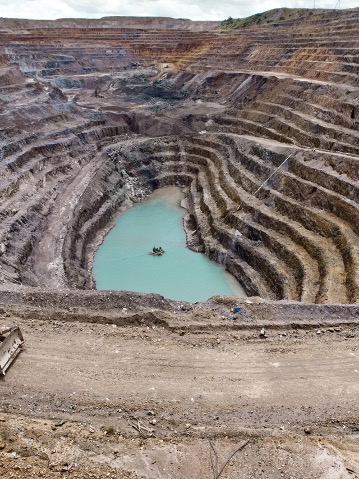
The southern mining provinces — notably Haut‑Katanga — represent 40 to 50% of public revenues, or roughly 6 to 8 billion dollars per year.
Should these regions become destabilized, this would reduce the budget from 16 to approximately 9–10 billion dollars, with an immediate deficit of 1 to 3 billion dollars.
Treasury bills: temporary solution or dangerous drift?
The issuance of 70 million dollars in Treasury bills at approximately 9% over 18 months implies repayment close to 79.45 million dollars.
If the Congolese franc depreciates by 50%, local currency investors may suffer a real loss exceeding 20 million dollars.
Repeated reliance on domestic borrowing to finance operations rather than productive investment increases systemic financial fragility.
Insecurity reaches the capital
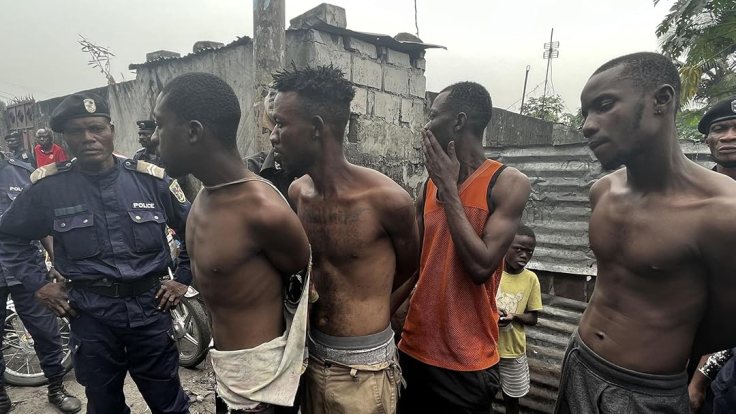
Even Kinshasa, the seat of the institutions, is experiencing a rise in armed robberies, burglaries, and urban violence. Yet when the capital itself (the country’s showcase) no longer provides a stable sense of security:
Investors hesitate, capital flees, and trust in the State erodes. Urban insecurity at the very center of power becomes a leading indicator of institutional fragility.
Toward a risk of balkanization?
When revenues decline, debt increases, security deteriorates, wealthy provinces finance most of the budget, and prestige spending contrasts sharply with widespread poverty, political risk rises.
If the central State can no longer ensure security salaries nor guarantee territorial authority, some provinces may be tempted to manage their resources directly. Balkanization does not arise solely from armed conflict; it can result from gradual budgetary weakening, regional inequalities, and a loss of confidence in central authority.
In conclusion, with:
- A $16 billion budget
- Of which $2 to $3 billion are lost each year due to insecurity
- $6 to $8 billion of its budget dependent on a single mining region
- $3 to $4 billion allocated to infrastructure with little visible results, a significant portion of which is likely diverted directly to Kigali (given the profile of the minister in charge of this budget and in this context of an occupied country)
- A public wage bill exceeding $5 billion
The Congolese government is confining the DRC to a zone of high vulnerability. The country is not formally bankrupt. However, the systematic sabotage of its governance by actors serving the occupation (collaborators) is becoming increasingly blatant and should alarm all Congolese people.
The combination of budgetary irresponsibility, security inefficiency, and dependence on mining resources creates fertile ground for structural instability.
The Washington Agreement, which is merely the culmination of the predatory process orchestrated by Washington itself since the Clinton administrations (which were at the origin of the war in the DRC), constitutes only a superficial remedy and cannot produce lasting effects without deep reforms—particularly in financial governance, control of public spending, and above all, an effective security strategy.
Moreover, the viability of such an agreement is all the more questionable given that it was signed by a Congolese representative, Tshisekedi, who himself acknowledged his lack of legitimacy by rightly stating, as Congolese Resistance members have, that Joseph Kabila, his predecessor, is indeed an impostor who usurped Congolese nationality (see the trial of Joseph Kabila). All acts undertaken by Joseph Kabila are null and void. The power of Félix Tshisekedi is a pure and simple fraud.
Félix Tshisekedi and his team, under external influence, are not there to consolidate national unity in the DRC, but rather to fuel and maintain the fragilities that threaten the country’s territorial integrity and to facilitate foreign control.
The Congolese people can therefore rely only on themselves and must make the reclaiming of control over Congolese institutions, and the end of Félix Tshisekedi’s nominal power, a true priority. There is urgency.
Paris, February 24, 2026
For the National Council of the Congolese Resistance (CNRC)
Candide OKEKE
Strategic Director of CNRC
Collaborator of Mr. Honoré Ngbanda (2005–2021)
VPN/APARECO

 100% NGBANDISTES
Laisser un commentaire